Clark Proud of Late-Game 3-Point Breakthrough in Overtime Loss to
The Fever rookie forced overtime with a late scoring surge, signaling a return to form from beyond the arc despite Indiana falling short in the extra

Sports reporter
Reports on leagues, tournaments, and athlete developments with an emphasis on verified event details, official announcements, and commercial context.
Editorial responsibility: Lead reviewer for match reporting, tournament context, and league governance coverage
Primary source: ESPN Top Headlines. Full source links and update notes are below.
Fast summary
Start here
- Caitlin Clark overcame a slow start to find her 3-point stroke during the closing minutes of regulation.
- The Indiana Fever star's late-game shooting surge forced the contest into overtime against the Washington Mystics.
- Despite the individual breakthrough, the Fever were unable to secure a victory in the overtime period.
What happened
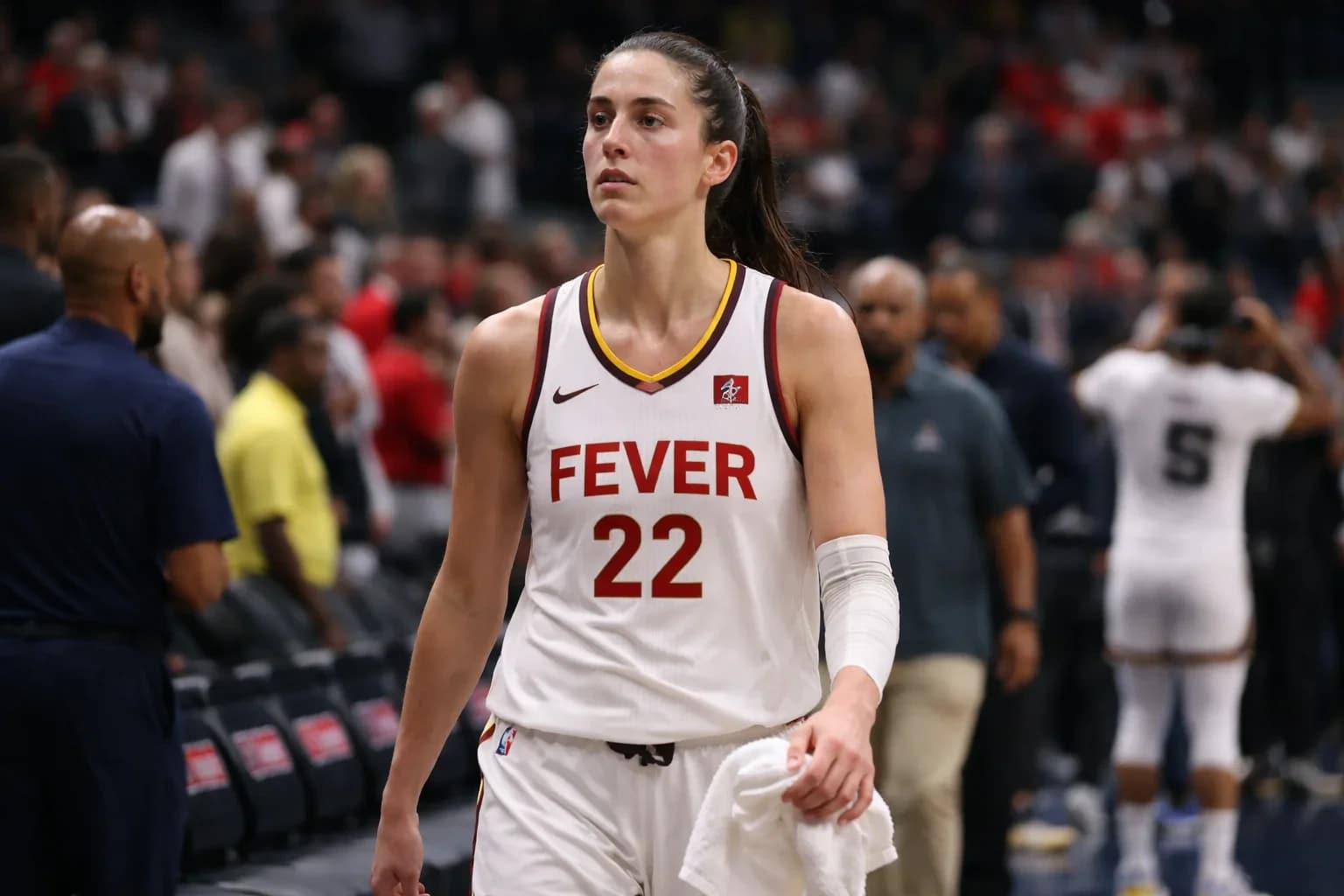
Caitlin Clark rediscovered her long-range rhythm late in the Indiana Fever's loss to the Washington Mystics, hitting key three-pointers that helped force overtime even though Indiana could not finish the game in the extra period. The late burst mattered because it came after a slow start and under the kind of defensive pressure Clark has been facing regularly as one of the most closely watched players in the WNBA.
The result still goes down as a loss, but the Caitlin Clark three-point recovery may prove more important than one night's final score if it signals that she is adjusting to the pace, physicality, and attention that come with being the focal point of every opposing scouting report.
Why the shooting breakthrough matters
Clark's perimeter shooting is not just one part of the Fever offense. It is the mechanism that changes the geometry of the floor. When she is hitting from deep, defenders have to pick her up farther from the basket, help rotations stretch wider, and passing lanes open for the rest of the lineup. When she is cold, opposing teams can crowd driving angles and force Indiana into tougher half-court possessions.
That is why a late-game three-point surge against the Mystics stands out. It suggests Clark can still find her shot even after a difficult opening stretch and even when defenders are making her work for every touch. That kind of in-game adjustment is one of the clearest signs of growth for a rookie lead guard.
The rookie adjustment phase
Caitlin Clark entered the WNBA with massive expectations, but expectations do not soften the transition. Opponents know her range is elite, so they pressure her early, bump her off preferred spots, and try to force her into uncomfortable decision-making windows. Every possession becomes a test of balance between aggression and patience.
That context matters when evaluating a game like this one. A late scoring run is not only about a few made shots. It is evidence that Clark can withstand the early frustration of missed attempts or crowded coverage and still deliver when the game tightens. That resilience is one of the most important skills for primary creators in professional basketball.
What the Fever can take from the loss
Indiana did not get the win, and overtime losses can be especially frustrating because they often feel as if the hardest work has already been done. But the Fever can still treat Clark's rhythm from beyond the arc as a meaningful takeaway. Teams in development often measure progress by whether the process is improving, even before the results stabilize.
If Clark's late shot-making becomes more consistent, Indiana's offensive ceiling rises quickly. The Fever need that because the WNBA does not give young backcourts much time to settle. Teams are punished immediately for poor spacing, rushed decisions, and defensive lapses, all of which become easier to survive when a lead guard can swing momentum with a couple of deep makes.
Background and context
Clark's college career created expectations built around logo-range shooting, offensive flair, and game-breaking scoring runs. In the pros, those moments do not disappear, but they arrive under tougher conditions. Defenders are stronger, scouting is sharper, and every opponent understands that neutralizing her three-point game is one of the fastest ways to disrupt Indiana's offensive flow.
That is why the Mystics game is useful as a reference point. It shows that Clark's shot can still surface late, even after a difficult start, and that her confidence remains intact enough to keep firing when the moment gets bigger rather than smaller.
What to watch next
The next question is whether this overtime loss becomes a turning point in Clark's perimeter efficiency. Watch her shot selection, off-ball relocation, and willingness to attack early before defenses get fully set. If the three-point rhythm carries into the next few games, the Fever may start converting close finishes more consistently instead of treating them as moral victories.
Why this matters
Caitlin Clark's late-game three-point breakthrough matters because Indiana's offensive ceiling depends heavily on her perimeter gravity, and evidence that she can find that rhythm under pressure is a meaningful sign for the Fever's long-term development.
Reader context
This story belongs to Northstar Herald's WNBA coverage, with related entities including Caitlin Clark, Indiana Fever, Washington Mystics, Basketball. The report is based on ESPN Top Headlines source material.
Related coverage
Why it matters
Caitlin Clark's perimeter shooting is a central component of the Fever's offensive strategy and her ability to hit high-pressure shots is critical for the team's playoff aspirations.
Read next
Follow this story through the topic hub, more sports coverage, and the latest updates.
Weekly briefing
Get the week's key developments in one concise email.
Get a fast catch-up on the biggest stories, the context behind them, and the links worth your time.
Cadence
Weekly, for a quick catch-up
Coverage
AI, business, world, security, sports
Format
Clear takeaways and useful context
Request the briefing
Leave your email to open a prepared request and get on the list for the weekly briefing.
About the byline
Sports reporter
Olivia Park covers sports with an emphasis on competition, governance, and the business forces shaping global leagues, major events, and athlete decision-making.
Sources and methodology