Caitlin Clark Exits Early in Indiana Fever Preseason Home Opener
The rookie sensation played limited minutes in her Gainbridge Fieldhouse debut before leaving the game; she later assured reporters she is fine.

Sports reporter
Reports on leagues, tournaments, and athlete developments with an emphasis on verified event details, official announcements, and commercial context.
Editorial responsibility: Lead reviewer for match reporting, tournament context, and league governance coverage
Primary source: ESPN Top Headlines. Full source links and update notes are below.
Fast summary
Start here
- Caitlin Clark exited Thursday's preseason game against the Atlanta Dream after approximately 21 minutes of play.
- The matchup served as Clark's first home game in Indiana since being selected first overall in the 2024 WNBA Draft.
- Following the early exit, Clark stated she felt fine and downplayed concerns regarding her physical status.
What happened
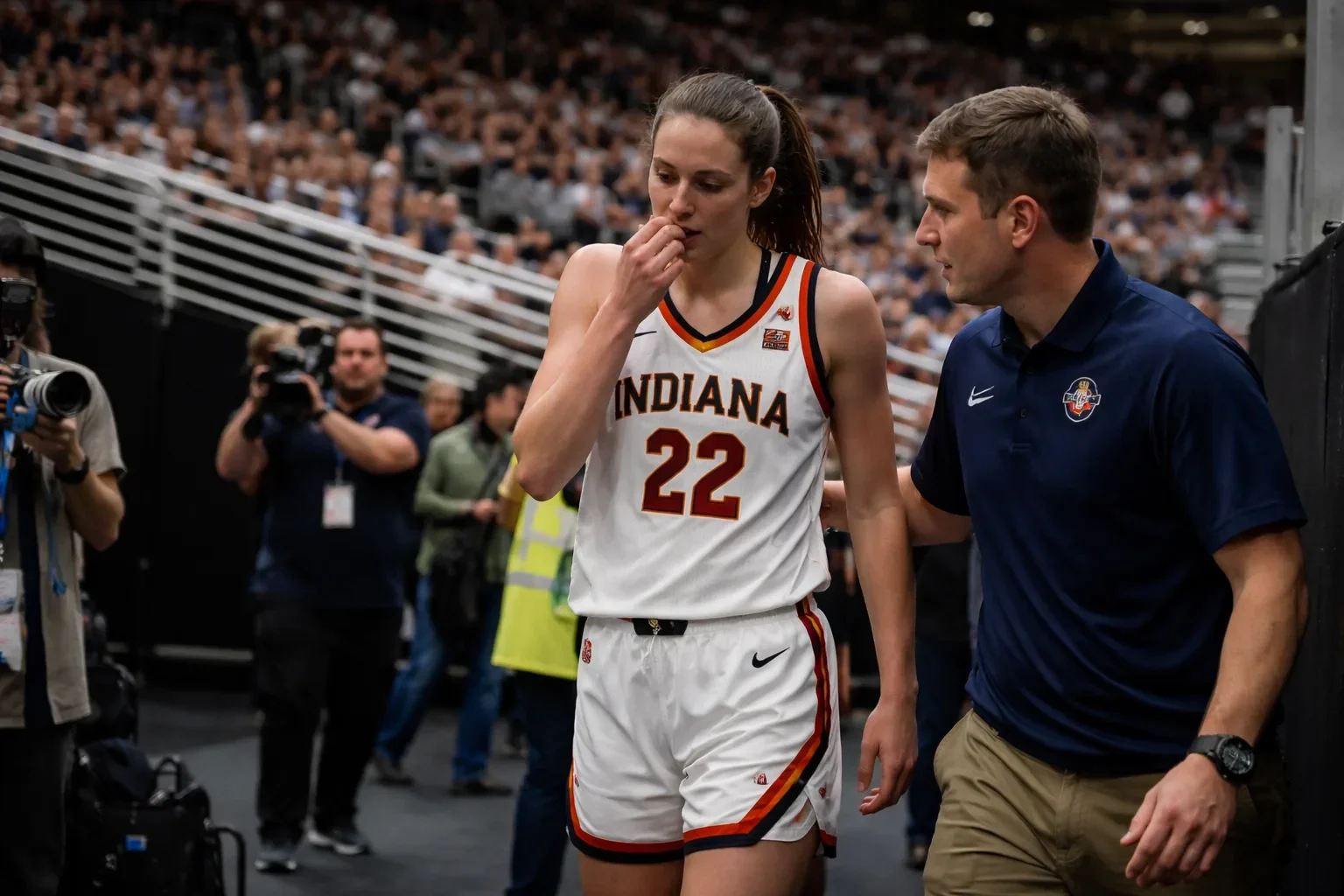
Caitlin Clark exited the Indiana Fever's preseason home opener early, immediately raising concern because of how central she is to both the team's basketball plans and the broader WNBA attention economy. The game marked Clark's first home appearance in Indianapolis since arriving as the most anticipated rookie in the league, so any early departure was always going to become headline news even before the exact reason was clear.
The key immediate takeaway, however, is that Clark later said she was fine. That matters because preseason injury scares often produce more anxiety than confirmed damage, especially when they involve a player carrying as much on-court and off-court importance as Caitlin Clark.
Why the reaction was so intense
Clark is not simply a talented rookie adjusting to professional basketball. She entered the WNBA as a national draw whose presence affects ticket demand, broadcast placement, local market excitement, and how opponents prepare. That means her health is interpreted through multiple lenses at once. Fans want to know whether the Fever's season outlook changed. The league wants to know whether its biggest attendance and ratings driver is safe. Media outlets know that every update around her body status will become national news.
That is why an early preseason exit generated immediate attention. In another case, a minutes limitation or precautionary removal might be treated as routine. With Clark, the same event becomes a wider story because she sits at the center of the WNBA's current growth moment.
What the Fever are likely balancing
From Indiana's perspective, the preseason is for calibration, not risk. The franchise needs Clark healthy for the regular season, not overloaded in a spring exhibition environment. If the staff believed any discomfort, fatigue, or precaution justified ending her night early, that would be a logical decision even if it frustrated the crowd.
That is the normal tension around star preseason management. Fans buy tickets hoping to see a full experience, while coaches are paid to protect the player from avoidable wear. When the player is Caitlin Clark, that tension becomes far more visible because expectation around every appearance is unusually high.
The significance of the home-opener setting
The home-opener context matters because this was not just another preseason date. It was Clark's introduction to the Fever home audience in game conditions, a symbolic moment for a franchise trying to turn surging interest into sustained local identity. Gainbridge Fieldhouse was not simply hosting an exhibition. It was staging the first chapter of a new era.
That helps explain why her early exit felt larger than the stat line. Fans were there to see what the Caitlin Clark era in Indiana would feel like in person, and any interruption to that experience was bound to dominate postgame conversation.
Background and context
Clark arrived in the WNBA after a college career that drove extraordinary viewership, polarizing debate, and a broad expansion of public attention around women's basketball. The Fever, already one of the league's most closely watched teams after drafting her, quickly became a focal point for national scheduling and ticket demand. In that environment, health updates are not just roster notes. They are business and visibility notes too.
That is why Clark saying she felt fine is so important. It does not eliminate all caution, but it shifts the story away from immediate injury alarm and back toward preseason workload management and readiness for opening night.
What to watch next
The next indicators are practical: whether Clark resumes normal participation, whether the Fever mention any formal limitation, and how she looks in subsequent preseason or practice activity. A quick return to regular work would confirm the exit was mostly precautionary. Any continued restriction would naturally reopen concern.
Why this matters
Caitlin Clark's early preseason exit matters because her health is inseparable from both the Fever's competitive hopes and the WNBA's current visibility surge, making even a minor or precautionary departure a league-wide storyline.
Reader context
This story belongs to Northstar Herald's WNBA and Indiana Fever coverage, with related entities including WNBA Preseason, Caitlin Clark, Indiana Fever, Injury Update. The report is based on ESPN Top Headlines source material.
Related coverage
Why it matters
As the WNBA's most anticipated rookie, Clark's health is central to the Fever's season prospects and the league's record-breaking viewership and ticket sales.
Read next
Follow this story through the topic hub, more sports coverage, and the latest updates.
Weekly briefing
Get the week's key developments in one concise email.
Get a fast catch-up on the biggest stories, the context behind them, and the links worth your time.
Cadence
Weekly, for a quick catch-up
Coverage
AI, business, world, security, sports
Format
Clear takeaways and useful context
Request the briefing
Leave your email to open a prepared request and get on the list for the weekly briefing.
About the byline
Sports reporter
Olivia Park covers sports with an emphasis on competition, governance, and the business forces shaping global leagues, major events, and athlete decision-making.
Sources and methodology