Late Stalemate Between Algeria and Austria Ends Iran's World Cup
A hard-fought draw on the final day of group play has finalized the standings, confirming Iran's exit while keeping both Algeria and Austria in contention.

Sports reporter
Reports on leagues, tournaments, and athlete developments with an emphasis on verified event details, official announcements, and commercial context.
Editorial responsibility: Lead reviewer for match reporting, tournament context, and league governance coverage
Primary source: ESPN Top Headlines. Full source links and update notes are below.
Fast summary
Start here
- Algeria and Austria played to a strategic draw, which provided enough points for both to remain ahead of Iran in the standings.
- Iran is officially eliminated from the 2026 World Cup as they can no longer reach the points threshold for the knockout rounds.
- A disallowed goal in the 75th minute for offside preserved the stalemate that ultimately determined the group's fate.
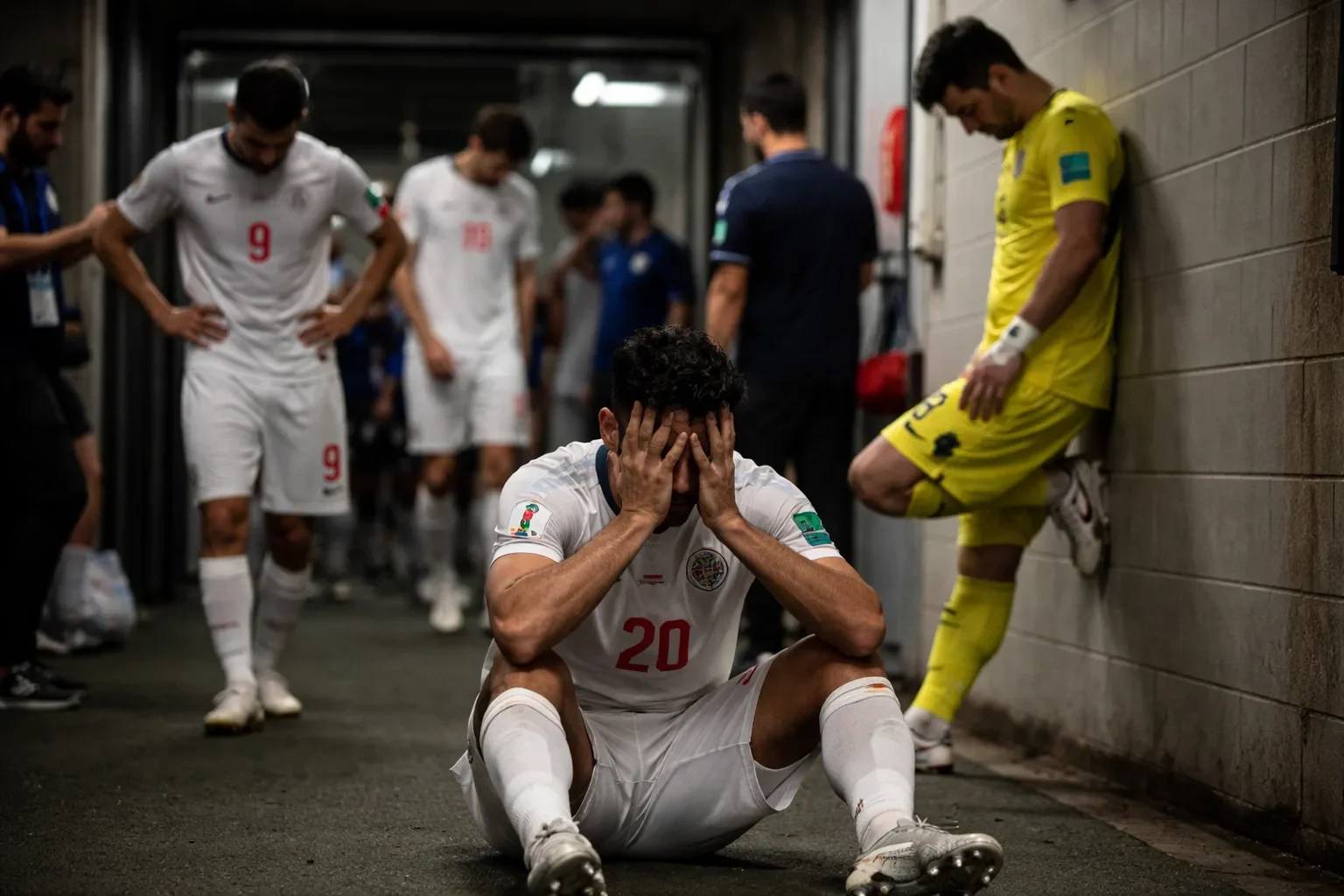
What happened
In a match defined by tactical discipline and high defensive stakes, Algeria and Austria played to a scoreless draw that carried immense weight for the final group standings of the 2026 World Cup. The encounter was a cagey affair from the opening whistle, with both teams prioritizing structural integrity over aggressive offensive maneuvers. Algeria’s midfield worked tirelessly to neutralize Austrian playmakers, while the Austrian backline remained resolute against sporadic counter-attacks. As the clock wound down, it became clear that neither side was willing to risk a late loss that could jeopardize their own advancement. The final whistle confirmed a shared point for each, a result that had immediate and permanent consequences for the other teams in the group, specifically the Iranian national squad.
What's new in this update
The most significant development following the conclusion of the match is the official mathematical elimination of Iran. Before the game, Iran’s chances of progression hinged on a decisive victory for either Algeria or Austria, which would have kept the door open for tie-breaking scenarios. However, the draw moved both nations to a point total that Iran can no longer match or surpass in their remaining fixture. This update marks the first major Asian powerhouse to be sent home in this cycle. Additionally, tournament officials confirmed that the yellow cards accumulated during this physical match will carry over, potentially affecting the roster depth for both Algeria and Austria as they look toward their upcoming knockout stage matches.
Key details
Statistical data from the match reflects the narrow margins that decided the group’s fate. Austria controlled approximately 52% of the possession and recorded 14 shots, though only three were on target. Algeria’s defense was the standout unit, recording six successful blocks and 22 clearances to maintain the clean sheet. The most pivotal moment of the evening occurred in the 75th minute when an Austrian header found the back of the net, only to be ruled out after a VAR review for a marginal offside call. This decision proved to be the turning point that sealed Iran's fate, as a goal for either side would have fundamentally changed the points distribution. Both teams finished the game with a high passing accuracy of over 80%, highlighting the cautious, possession-based approach taken by the managers.
Background and context
The 2026 World Cup has seen several traditional giants struggle against emerging mid-tier nations, and Iran’s early exit is a continuation of this trend. Iran entered the tournament with high expectations after a strong qualifying campaign, but a lack of clinical finishing in their opening matches left them reliant on external results. Algeria and Austria, meanwhile, have shown remarkable resilience throughout the group stage. Algeria has successfully leveraged its physical style of play to frustrate European opponents, while Austria has demonstrated a level of tactical maturity under pressure that was absent in previous international tournaments. The history between these nations in global competition has often been characterized by close scores, making today's dramatic draw a fitting, if controversial, conclusion to their group stage rivalry.
What to watch next
With Iran's departure now confirmed, the focus shifts to the final seedings for Algeria and Austria. Their opponents in the Round of 32 will be determined by the results of the remaining groups tomorrow. For Iran, the fallout is expected to be significant, with the national football federation likely to conduct a comprehensive review of the team's performance and coaching staff. Fans in Tehran and abroad are already calling for a generational shift in the squad to prepare for the next four-year cycle. Meanwhile, scouts and analysts will be watching the fitness reports for Algeria’s key attackers, several of whom appeared to be struggling with fatigue in the final minutes of the draw. The tournament bracket is now beginning to take a definitive shape as the field narrows.
Why it matters
This result shifts the competitive landscape of the 2026 World Cup, removing a major Asian contender and narrowing the field as the tournament heads toward the Round of 32.
Read next
Follow this story through the topic hub, more sports coverage, and the latest updates.
Weekly briefing
Get the week's key developments in one concise email.
Get a fast catch-up on the biggest stories, the context behind them, and the links worth your time.
Cadence
Weekly, for a quick catch-up
Coverage
AI, business, world, security, sports
Format
Clear takeaways and useful context
Request the briefing
Leave your email to open a prepared request and get on the list for the weekly briefing.
About the byline
Sports reporter
Olivia Park covers sports with an emphasis on competition, governance, and the business forces shaping global leagues, major events, and athlete decision-making.
Sources and methodology