Trump Administration Weighs Government Equity Stake in OpenAI
The proposal aims to create a 'Public Wealth Fund' where American citizens would participate directly in the financial upside of artificial intelligence.
Primary source: TechCrunch AI. Full source links and update notes are below.
Fast summary
Start here
- President Trump confirmed discussions with AI executives regarding a partnership where the public would become stakeholders in major companies.
- OpenAI has previously proposed a 'Public Wealth Fund' that would distribute AI-driven growth proceeds directly to citizens.
- The move follows the administration's 2025 decision to take a 10% equity stake in chipmaker Intel.
What happened
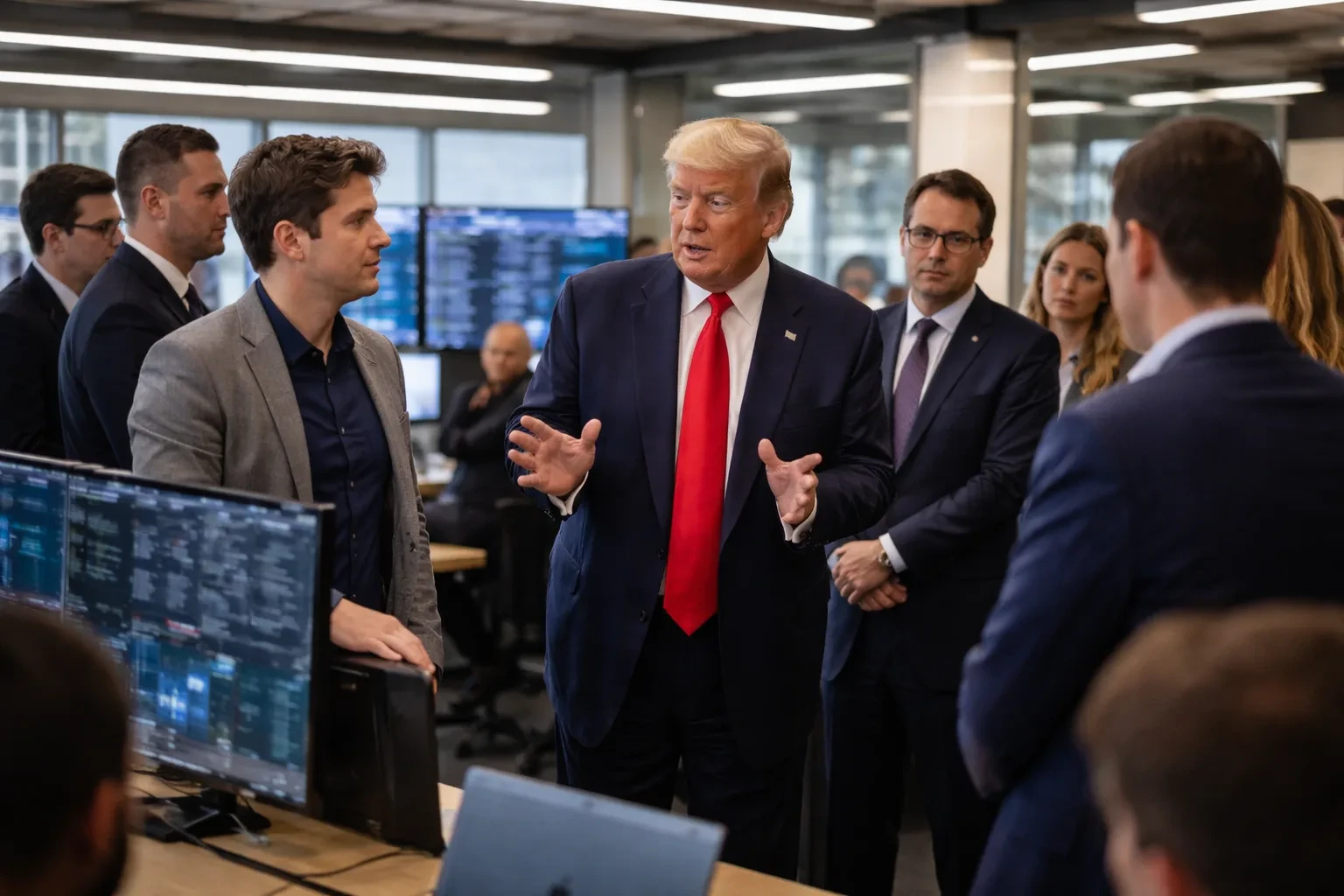
President Donald Trump confirmed on Friday that his administration has held discussions with artificial intelligence companies about striking deals that involve government equity stakes. Trump stated that the goal is to create a structure where the American people can benefit directly from the commercial success of the AI industry, effectively making the public a partner with private firms.
What's new in this update
While specific companies were not named in the President's public remarks, OpenAI is reportedly at the center of these discussions. Reports suggest that the administration is evaluating an equity stake that would seed a 'Public Wealth Fund.' This concept, which OpenAI has advocated for, would allow proceeds from AI growth to be distributed to citizens regardless of their personal access to capital.
Key details
OpenAI CEO Sam Altman has reportedly been in talks regarding government stakes in major AI firms since early 2025. The proposal has found unexpected common ground across the political spectrum; Senator Bernie Sanders recently proposed a one-time 50% tax on companies like OpenAI, Anthropic, and xAI, to be paid in stock. However, critics like former AI czar David Sacks warn that such moves could accelerate a 'corporate-government fusion' that may have long-term consequences for market independence.
Background and context
The Trump administration has already demonstrated a willingness to take ownership positions in private industry, most notably with its 10% stake in Intel last year. This trend coincides with a period where several major AI labs are expected to seek public listings. By taking equity early, the government aims to capture a portion of the trillions of dollars in value that analysts project the AI sector will generate over the next decade.
What to watch next
The potential for a government bailout or pre-IPO equity agreement remains a subject of intense speculation as these companies move toward the public markets. Observers are looking for clarity on how such a fund would be managed and whether it would lead to direct government influence over AI safety, alignment, and deployment policies.
Why this matters
A direct government equity stake in private AI firms would mark a significant shift in U.S. industrial policy, potentially nationalizing a portion of the sector's future profits.
Reader context
This story belongs to Northstar Herald's OpenAI and Artificial Intelligence coverage, with related entities including Donald Trump, Sam Altman, Public Wealth Fund, Bernie Sanders. The report is based on TechCrunch AI source material.
Related coverage
Why it matters
A direct government equity stake in private AI firms would mark a significant shift in U.S. industrial policy, potentially nationalizing a portion of the sector's future profits.
Read next
Follow this story through the topic hub, more ai coverage, and the latest updates.
Weekly briefing
Get the week's key developments in one concise email.
Get a fast catch-up on the biggest stories, the context behind them, and the links worth your time.
Cadence
Weekly, for a quick catch-up
Coverage
AI, business, world, security, sports
Format
Clear takeaways and useful context
Request the briefing
Leave your email to open a prepared request and get on the list for the weekly briefing.
Author
See who assembled this story and follow more of their work.
Sources and methodology