Sam Altman Rejects 'Incendiary' Narrative Following Home Attack and
Following a Molotov cocktail incident and a critical investigative report, the OpenAI CEO reflects on the power of narratives and his own leadership flaws.

AI reporter
Reports on model launches, frontier labs, developer platforms, and AI policy with an emphasis on claims verification and rollout context.
Editorial responsibility: Lead reviewer for AI coverage, launch claims, and policy context
Primary source: TechCrunch AI. Full source links and update notes are below.
Fast summary
Start here
- A suspect was arrested after allegedly throwing a Molotov cocktail at Altman’s home and threatening OpenAI’s headquarters.
- Altman linked the violence to an 'incendiary' New Yorker profile that questioned his trustworthiness and characterized him as having a relentless will to power.
- The CEO admitted to leadership mistakes, specifically citing 'conflict-averse' behavior that contributed to the 2023 OpenAI board crisis.
What happened
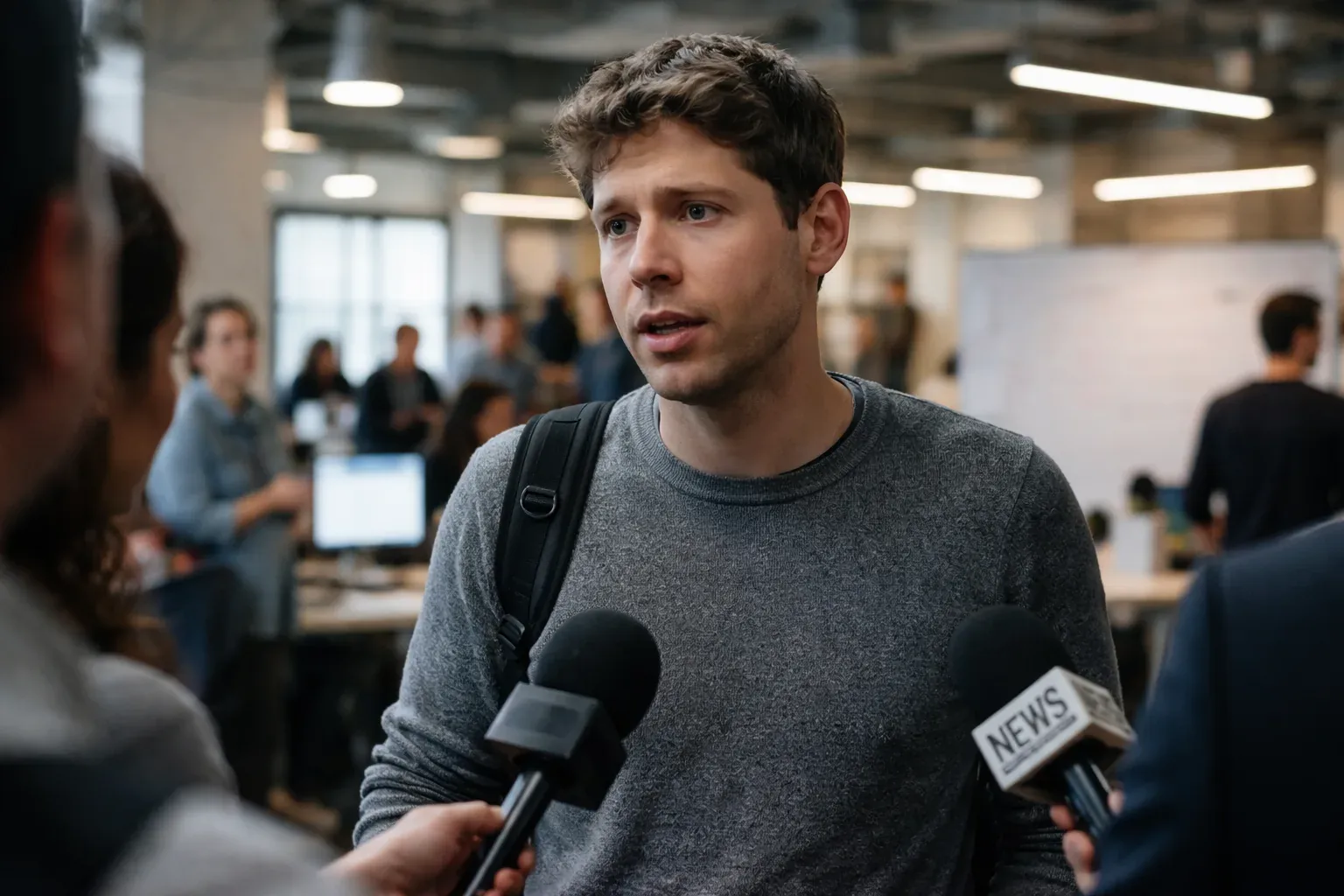
Sam Altman has publicly responded after a suspect allegedly targeted his home with a Molotov cocktail and later threatened OpenAI's headquarters, linking the atmosphere around the attack to a sharply critical New Yorker profile that scrutinized his leadership style and trustworthiness. In doing so, Altman shifted briefly away from product, policy, and AI futurism to talk about security, public narrative, and the personal consequences of becoming a central figure in the technology industry's most contested race.
The incident is significant not only because it involved an alleged physical attack, but because it collided almost immediately with a major investigative story about one of the world's most influential AI executives.
Why the media-security connection is so sensitive
Altman argued that inflammatory or "incendiary" narratives can have real-world consequences during a period of intense anxiety about artificial intelligence. That is a serious claim, and it lands in a difficult space. Public criticism of powerful tech leaders is legitimate and often necessary, especially when the companies they run are shaping global infrastructure, labor markets, and information systems. At the same time, the leap from scrutiny to violence is real enough that security cannot be dismissed as a side issue.
That tension is what makes the Sam Altman New Yorker profile story bigger than a standard media dispute. It raises questions about how public storytelling, executive accountability, and personal risk interact when the subject is a figure at the center of AI power.
The article and the broader OpenAI context
The New Yorker investigation reportedly drew on extensive sourcing and portrayed Altman as a leader whose ambition and management style have left former colleagues deeply skeptical. Those critiques did not emerge in a vacuum. They fit into a longer-running debate about OpenAI corporate governance, especially after Altman's temporary ouster and rapid return during the 2023 board crisis.
Altman himself acknowledged leadership faults in his response, describing his past conflict-avoidant behavior as part of the problem. That admission matters because it reinforces a point critics have made for years: OpenAI's internal turbulence is not just about abstract governance theory. It is also about how power, loyalty, speed, and mission are managed by the people at the center.
Why this matters for AI leadership more broadly
The Sam Altman home attack story also reflects how personalized the AI debate has become. Executives who run model companies are no longer treated only as business leaders. They are increasingly cast as protagonists or antagonists in a larger story about the future of work, knowledge, politics, and even human agency.
That creates a strange and unstable environment:
- Leaders become symbols for hopes and fears much larger than their companies.
- Investigative profiles can influence public sentiment far beyond the tech press.
- Security risks rise as public anger, fandom, and conspiracy thinking converge.
- Governance failures become harder to separate from personality-driven narratives.
In that climate, every major leadership controversy at OpenAI is automatically also a cultural event.
A warning sign for the AI era
What stands out most is how quickly concerns that once seemed internal to Silicon Valley can now spill outward into physical space. A board dispute, a magazine profile, a blog response, and an alleged attack on a CEO's residence all now sit in the same news cycle. That is a sign of how politically charged the AI sector has become.
It is also a reminder that the stakes around AI are no longer confined to product launches or valuation. They include legitimacy, social trust, and the safety of the people publicly identified with the technology.
What to watch next
The next phase will likely involve both security adjustments and renewed scrutiny of how OpenAI is governed and represented. Watch for whether Altman or the company says more about executive protection, whether the investigative claims produce follow-on reporting, and whether this episode deepens public debate over how AI leaders wield influence.
Why this matters
The Sam Altman OpenAI story matters because it shows how tightly leadership, narrative, and security are now intertwined in artificial intelligence. Criticism of powerful executives is essential. So is clear separation between scrutiny and violence. The fact that both now sit in the same frame says a great deal about how destabilizing the AI power struggle has become.
Related coverage
Why it matters
The intersection of physical security threats and high-stakes media scrutiny highlights the immense polarization and personal risks surrounding the leadership of the AI revolution.
Read next
Follow this story through the topic hub, more ai coverage, and the latest updates.
Weekly briefing
Get the week's key developments in one concise email.
Get a fast catch-up on the biggest stories, the context behind them, and the links worth your time.
Cadence
Weekly, for a quick catch-up
Coverage
AI, business, world, security, sports
Format
Clear takeaways and useful context
Request the briefing
Leave your email to open a prepared request and get on the list for the weekly briefing.
About the byline
AI reporter
Alex Rivera reports on artificial intelligence with an emphasis on model launches, frontier lab strategy, developer tooling, and the policy decisions shaping commercial deployment.
Sources and methodology