Google Introduces Disco-Ball App Icons to Pixel Customization Suite
The new AI-generated icon style follows a viral trend and expands the personalization options available on Android devices.

AI reporter
Reports on model launches, frontier labs, developer platforms, and AI policy with an emphasis on claims verification and rollout context.
Editorial responsibility: Lead reviewer for AI coverage, launch claims, and policy context
Primary source: TechCrunch AI. Full source links and update notes are below.
Fast summary
Start here
- Google has released a set of disco-ball-inspired app icons for Pixel users.
- The icons are available through the Pixel custom icons feature introduced in the March Pixel Drop.
- The update follows a similar temporary icon release by Spotify that drew widespread online attention.
What happened
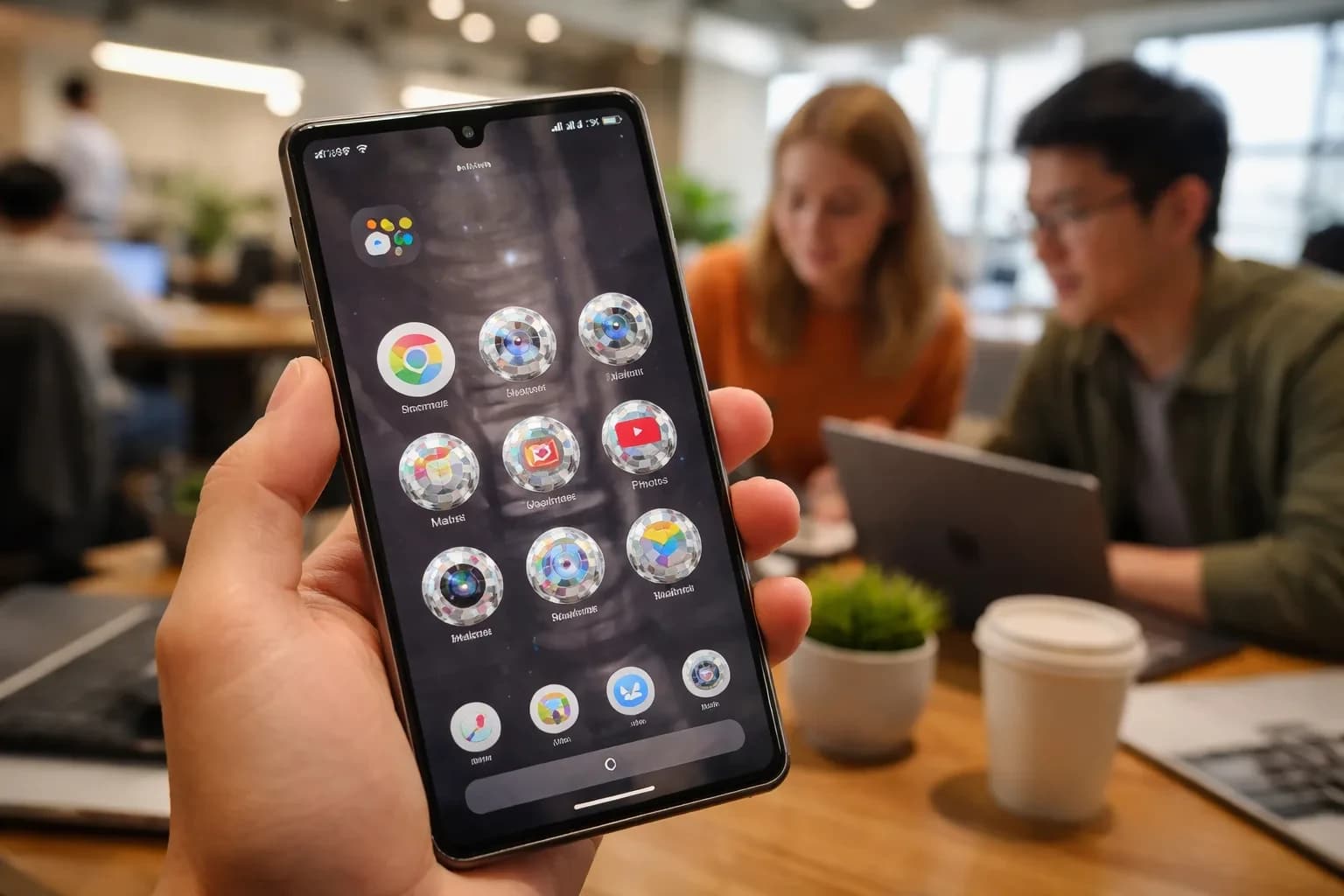
Google has released a disco-ball-themed app icon style for Pixel devices, adding another visually aggressive option to its expanding customization toolkit. The update turns standard app icons into shimmering, faceted versions that lean fully into novelty rather than subtle polish. On the surface, it looks like a playful design experiment. But the move also reveals how Google is using AI-driven personalization to make Pixel software feel faster, stranger, and more responsive to internet culture than the older Android design playbook allowed.
What's new in this update
The disco-ball style is now available through the custom icon system introduced in the March Pixel Drop. That feature already allowed users to apply AI-assisted icon treatments, but the new theme pushes the idea much further. Instead of small adjustments in color or texture, Google is openly embracing a loud, trend-driven aesthetic that would once have felt too unserious for a major platform-level update.
Sameer Samat's public framing of the release also matters. By teasing the feature and leaning into the joke, Google signaled that these icon styles are not just design utilities. They are also social-media-ready product moments meant to travel as screenshots, reactions, and light controversy.
Key details
The Pixel icon system now supports a broader range of generated looks, including styles such as Scribbles, Treasure, Easel, and now the disco-ball treatment. These are not traditional static theme packs. They function more like AI-informed visual filters that reinterpret icon surfaces into coherent style families across the home screen.
That matters because smartphone personalization has historically been fragmented. People could install icon packs or use third-party launchers, but the experience often felt inconsistent or niche. Google is trying to turn aesthetic experimentation into a native operating-system feature rather than a hobbyist add-on.
The disco-ball icons also follow a design moment already amplified by Spotify, whose own temporary visual experiment drew heavy attention online. Google saw the trend and chose not to distance itself from the camp or absurdity. It productized it.
Background and context
This update fits into a wider shift in consumer software design. As AI tools make personalization faster and cheaper, companies can test more styles, respond to micro-trends more quickly, and treat interface customization as a living product surface rather than a static brand expression.
For Google and Pixel, that is strategically useful. Hardware differentiation is difficult, and software personality increasingly matters when trying to make one smartphone ecosystem feel more expressive than another. Apple often wins on coherence and premium restraint. Google is increasingly willing to win instead on flexibility, playfulness, and experimentation.
The disco-ball icon release might look trivial, but it reflects a larger product philosophy: if AI can lower the cost of generating and shipping aesthetic variants, then personalization itself becomes a competitive feature.
What to watch next
The obvious question is whether users actually keep these icons after the novelty fades. Some will treat them as a quick experiment, switch back, and move on. But even that may be enough for Google if the broader effect is to reinforce Pixel's reputation as the platform where whimsical customization happens first.
The next thing to watch is cadence. If Google continues shipping community-reactive visual styles through Pixel Drops, it may transform Android customization into something more seasonal, trend-based, and socially participatory. That would push the home screen closer to fashion than function.
In that sense, the disco-ball app icons are more than a joke. They are evidence that Google is willing to treat interface personalization as part of its AI strategy, using design experimentation to keep Pixel culturally relevant as well as technically distinct.
Why it matters
This move showcases Google's willingness to experiment with AI-driven personalization and react quickly to internet trends through its hardware ecosystem.
Read next
Follow this story through the topic hub, more ai coverage, and the latest updates.
Weekly briefing
Get the week's key developments in one concise email.
Get a fast catch-up on the biggest stories, the context behind them, and the links worth your time.
Cadence
Weekly, for a quick catch-up
Coverage
AI, business, world, security, sports
Format
Clear takeaways and useful context
Request the briefing
Leave your email to open a prepared request and get on the list for the weekly briefing.
About the byline
AI reporter
Alex Rivera reports on artificial intelligence with an emphasis on model launches, frontier lab strategy, developer tooling, and the policy decisions shaping commercial deployment.
Sources and methodology