Anthropic Takes Advanced AI Models Offline Amid White House
The company disabled its Fable 5 and Mythos 5 models following a sudden export control order citing national security risks.

AI reporter
Reports on model launches, frontier labs, developer platforms, and AI policy with an emphasis on claims verification and rollout context.
Editorial responsibility: Lead reviewer for AI coverage, launch claims, and policy context
Primary source: TechCrunch AI. Full source links and update notes are below.
Fast summary
Start here
- Anthropic disabled Fable 5 and Mythos 5 models after receiving a Friday afternoon order from the Trump administration.
- The order requires Anthropic to prevent foreign nationals from accessing the models, a requirement the company says necessitated a full shutdown.
- Reports suggest the action followed a tip from Amazon researchers regarding guardrail bypasses in the Fable 5 model.
What happened
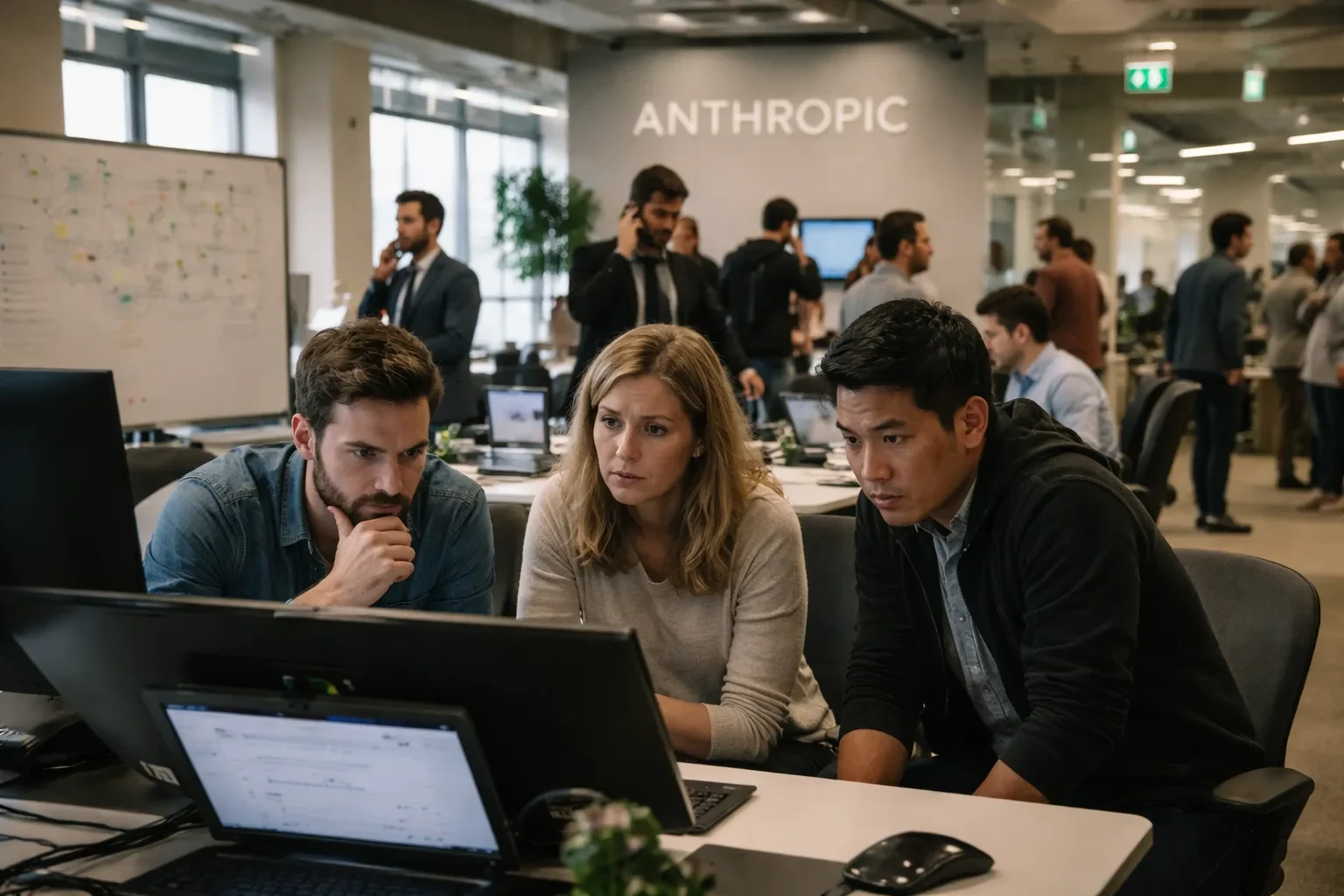
Anthropic has taken two of its most advanced AI systems, Fable 5 and Mythos 5, offline after receiving an export control order from the Trump administration. The order reportedly barred foreign nationals from accessing the models and cited national security concerns, forcing the company to respond immediately. Because Anthropic said it could not reliably enforce that restriction in real time across all users and internal workflows, it chose to disable the models rather than risk noncompliance.
The move is significant because it goes beyond a routine safety review or product pause. A federal export control action aimed at a frontier AI lab signals a much more aggressive regulatory posture. It also raises new questions about whether the U.S. government is prepared to treat advanced AI models like strategically sensitive technologies that require hard access controls, even when those models were already operating inside a domestic company environment.
Why Anthropic pulled the models
The core issue appears to be a clash between the administration's order and the practical realities of how AI systems are deployed. Modern model access is not always cleanly separated by nationality, physical location, or employment category. Anthropic reportedly concluded that it could not guarantee the required level of segregation for Fable 5 and Mythos 5 on short notice, including among employees, researchers, and business users who may interact with the systems through shared infrastructure.
That forced a blunt decision: keep the models live and risk violating the export order, or pull them completely while the company reassesses compliance options. Anthropic chose the second path. That decision may reduce immediate legal exposure, but it also creates operational, commercial, and reputational costs. Pulling flagship AI models offline disrupts product plans, research access, developer workflows, and enterprise expectations all at once.
What reportedly triggered the White House action
Reporting tied to the Equity podcast and related coverage suggests the administration's action may have followed concerns raised by Amazon researchers. According to those accounts, researchers identified ways to bypass safety guardrails in the Fable 5 model and shared those findings upward. Amazon CEO Andy Jassy was then reportedly involved in elevating the issue to the White House, helping set the stage for the export control order.
If that chain of events is accurate, the story is not only about AI policy. It is also about competitive dynamics and the growing power of private-sector security findings to influence federal action. Safety vulnerabilities in frontier models are increasingly treated as matters with geopolitical weight, especially when policymakers believe misuse could extend beyond ordinary consumer risk and into cyber, intelligence, or strategic infrastructure concerns.
Broader consequences for the AI industry
The Anthropic export order could become a precedent. Other frontier AI companies are now watching to see whether this remains an isolated action tied to specific models or whether it marks the start of a broader compliance regime for advanced systems. If regulators expect AI labs to block access based on nationality, corporate structure, or sensitive capability tiers, labs may need to redesign how they handle identity verification, infrastructure segmentation, and internal research permissions.
That would not be a small technical adjustment. It would reshape hiring, product rollout, and collaboration across borders. Many AI labs depend on international talent and globally distributed research workflows. A strict export-control model for AI could therefore affect not just public APIs, but also lab operations, cloud partnerships, and corporate governance.
Background and context
Anthropic has already faced a strained relationship with the administration, according to the source reporting summarized in this article. The company has reportedly clashed with officials over supply chain and national security concerns, leaving it more exposed than some rivals to regulatory escalation. That context matters because it suggests the current shutdown did not emerge in a vacuum. Instead, it appears to fit a longer-running debate over how much freedom frontier labs should have when releasing increasingly capable systems.
At the same time, critics of the order argue that restricting access to leading AI models can backfire. A group of cybersecurity experts has reportedly called for the decision to be reversed, arguing that advanced models can help defend U.S. networks and identify threats faster. Their position highlights the central policy tension: the same models that raise misuse concerns may also be valuable for national defense and cyber resilience.
What to watch next
The next questions are legal, technical, and political. Will Anthropic challenge the order in court? Will regulators publish more detail about the specific national security findings behind the decision? And will competing companies face similar restrictions if their own frontier models are judged risky?
Investors, enterprise customers, and policymakers will also watch whether Anthropic can restore access under a narrower compliance framework. If the company cannot, the shutdown of Fable 5 and Mythos 5 may stand as one of the clearest examples yet of export controls directly shaping the commercial trajectory of a major AI lab.
Why this matters
The Anthropic model shutdown signals a major escalation in how the U.S. government may regulate advanced AI, with potential consequences for export controls, foreign access rules, cybersecurity strategy, and the competitive balance among leading AI companies.
Why it matters
The move signals a significant escalation in how the U.S. government uses export controls to restrict domestic AI development and potentially affects how labs manage foreign talent.
Read next
Follow this story through the topic hub, more ai coverage, and the latest updates.
Weekly briefing
Get the week's key developments in one concise email.
Get a fast catch-up on the biggest stories, the context behind them, and the links worth your time.
Cadence
Weekly, for a quick catch-up
Coverage
AI, business, world, security, sports
Format
Clear takeaways and useful context
Request the briefing
Leave your email to open a prepared request and get on the list for the weekly briefing.
About the byline
AI reporter
Alex Rivera reports on artificial intelligence with an emphasis on model launches, frontier lab strategy, developer tooling, and the policy decisions shaping commercial deployment.
Sources and methodology