EU Penalizes Temu With €200 Million Fine for Safety Failures
The fine follows an investigation into the sale of dangerous toys and electronics that violated the Digital Services Act.
Primary source: BBC World News. Full source links, newsroom standards, and correction details are below.
Fast summary
Start here
- The European Union imposed a €200 million fine on Temu for failing to diligently assess systemic risks of illegal products.
- Independent testing found high percentages of chargers and baby toys purchased on the platform failed basic safety and chemical standards.
- Temu has until August 28 to present a formal action plan to address the regulatory failures.
What happened
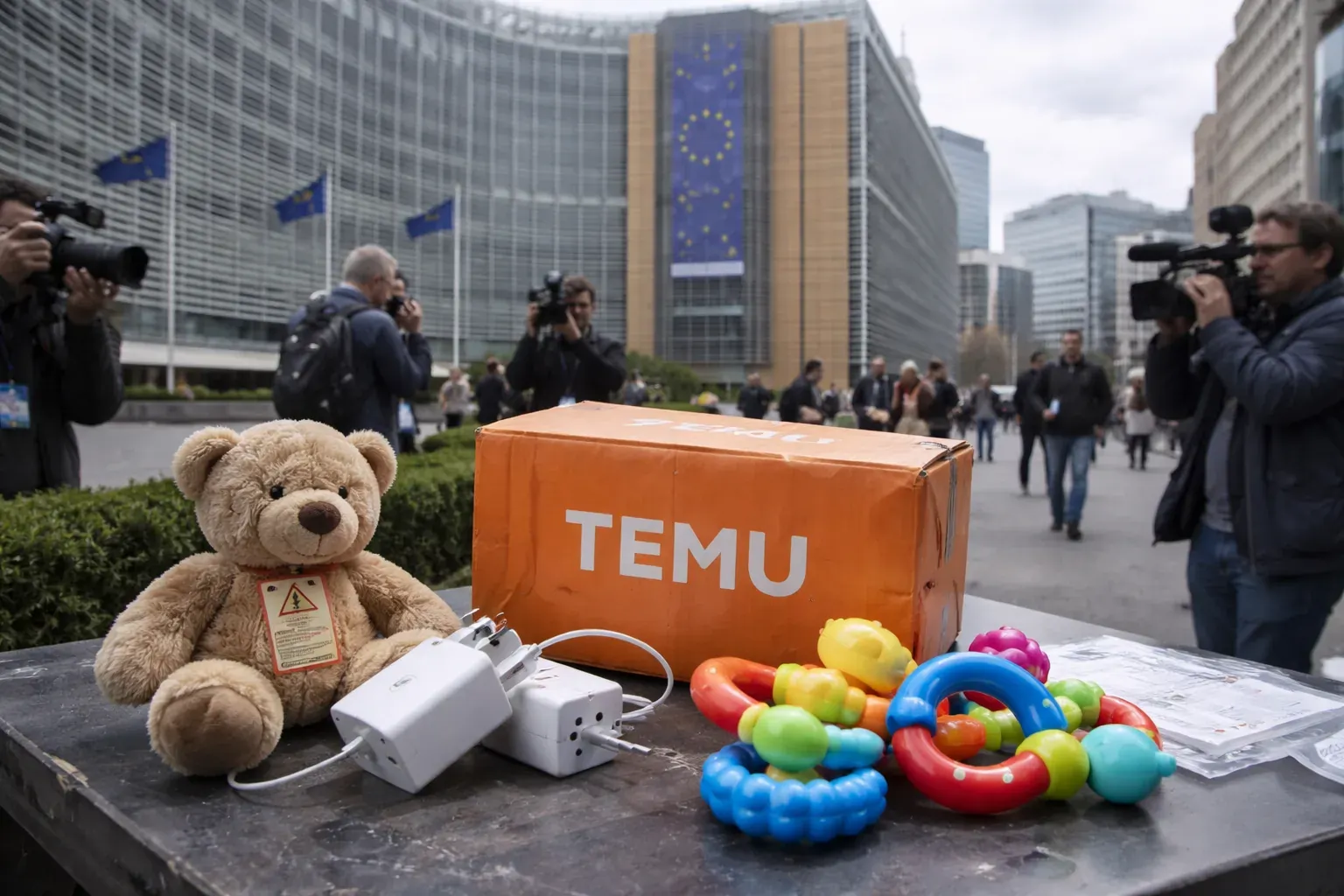
The European Commission has imposed a €200 million ($232 million) fine on Temu, a Chinese-owned online retailer, for allowing the sale of illegal and dangerous goods. Regulators determined that the company failed to meet its obligations as a 'Very Large Online Platform' by not properly analyzing and mitigating risks associated with products sold on its marketplace, including items that posed direct physical risks to consumers.
What's new in this update
EU tech commissioner Henna Virkkunen stated the penalty is intended to send a 'very strong message' to the platform. Temu has formally disagreed with the decision, calling the fine 'disproportionate' and indicating that they are considering legal options. The company argued that the investigation's findings relate to 2024 and do not reflect improvements made to their current safety systems.
Key details
A mystery shopping exercise by an independent testing organization revealed significant safety hazards on the platform. Findings included chargers that failed basic electrical safety tests and baby toys containing illegal levels of chemicals or small detachable parts that presented suffocation hazards. Beyond the financial penalty, Temu must submit a comprehensive action plan by August 28 to resolve these systemic failures.
Background and context
Temu has been under investigation since October 2024 regarding its compliance with the Digital Services Act (DSA). This is the second fine issued under the DSA for content-related failures, following a €120 million penalty against Elon Musk’s X social media platform in December. The DSA imposes strict due diligence requirements on platforms with millions of users to protect consumers from harmful or illegal content and goods.
What to watch next
Following Temu's submission of an action plan in late August, the European Commission will have two months to evaluate the proposal. If the Commission deems the response insufficient, the company could face further regulatory scrutiny or additional penalties. Temu is also expected to decide whether to formally appeal the €200 million fine in court.
Why this matters
This marks only the second penalty issued under the EU's Digital Services Act, signaling aggressive enforcement of product safety standards on international e-commerce platforms.
Reader context
This story belongs to Northstar Herald's world coverage, with related entities including Temu, European Commission, Digital Services Act, Consumer Safety. The report is based on BBC World News source material.
Related coverage
Why it matters
This marks only the second penalty issued under the EU's Digital Services Act, signaling aggressive enforcement of product safety standards on international e-commerce platforms.
Read next
Follow this story through the topic hub, more world coverage, and the latest updates.
Weekly briefing
Get the week's key developments in one concise email.
Get a fast catch-up on the biggest stories, the context behind them, and the links worth your time.
Cadence
Weekly, for a quick catch-up
Coverage
AI, business, world, security, sports
Format
Clear takeaways and useful context
Request the briefing
Leave your email to open a prepared request and get on the list for the weekly briefing.
Author

The world desk follows geopolitics, humanitarian crises, diplomacy, and major international developments with an emphasis on fast updates and public-interest context.
Sources and methodology