SpaceX Explores AI Hardware with Secret Handset Prototype
Leaked details suggest a new 'handset-like' device designed to run xAI technology, positioning SpaceX as a potential competitor in the emerging AI hardware

AI reporter
Reports on model launches, frontier labs, developer platforms, and AI policy with an emphasis on claims verification and rollout context.
Editorial responsibility: Lead reviewer for AI coverage, launch claims, and policy context
Primary source: TechCrunch AI. Full source links and update notes are below.
Fast summary
Start here
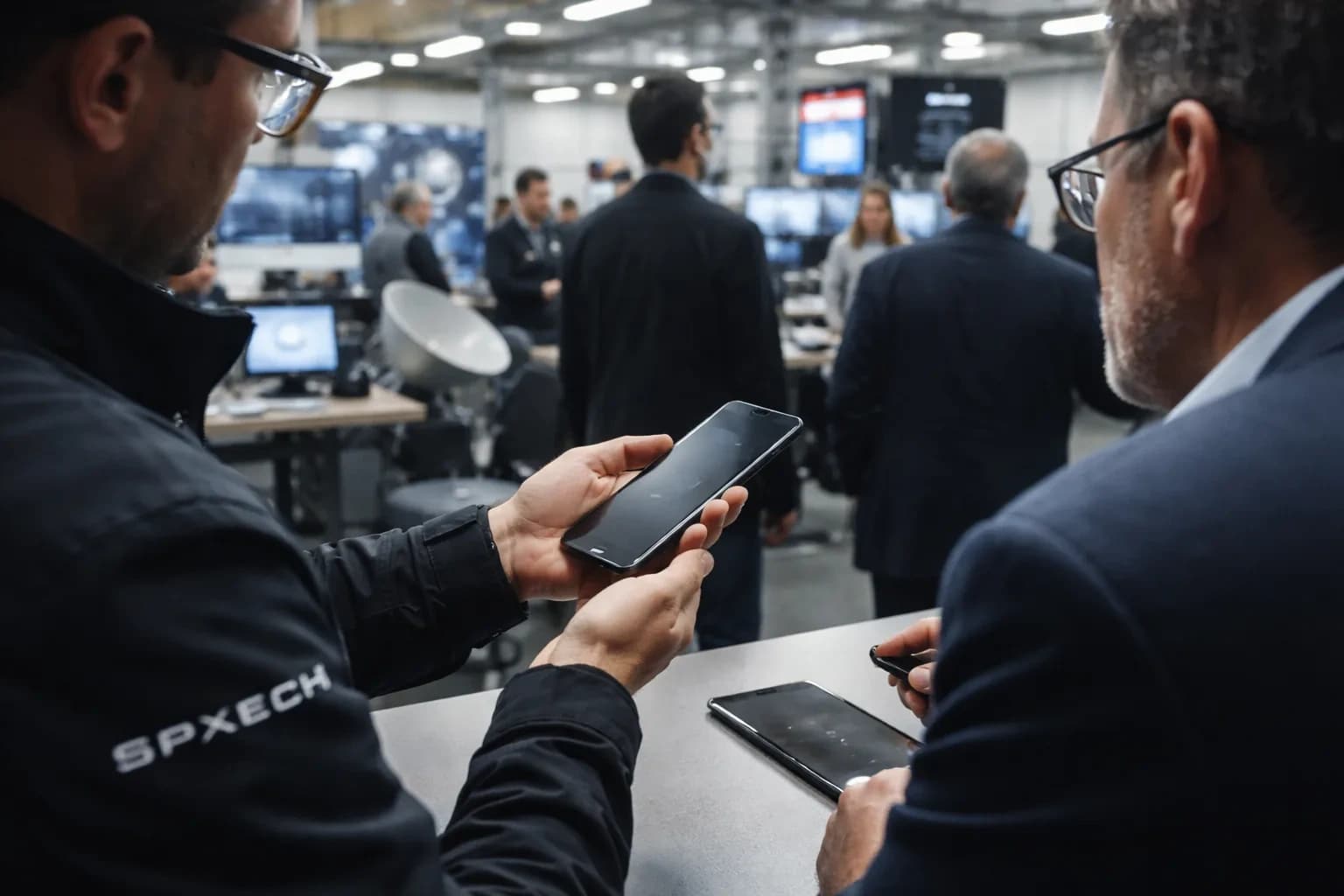
- SpaceX reportedly showcased a slim, handset-like AI device to investors prior to its public disclosure.
- The device is expected to run on a proprietary operating system and integrate directly with Musk's xAI platform.
- CEO Elon Musk has publicly denied the reports, characterizing the claims of a SpaceX phone as 'utterly false.'
What happened
Recent reports from The Wall Street Journal indicate that SpaceX has developed and showcased a prototype for a new 'handset-like' AI device. This hardware was reportedly presented to a select group of investors and stakeholders, highlighting the company's potential pivot toward consumer electronics. The device is described as being significantly sleeker and slimmer than the current generation of iPhones, leading to speculation that it occupies a niche between a traditional smartphone and specialized AI gadgets like the Rabbit R1. Despite the detailed accounts of the prototype's physical form and its proprietary software stack, Elon Musk has move to quash the rumors, stating on social media that the reporting regarding a SpaceX-branded handset is 'utterly false.' This creates a notable discrepancy between internal investor communications and the company's public-facing narrative.
What's new in this update
The emergence of this prototype follows SpaceX’s strategic acquisition of xAI, the artificial intelligence firm founded by Elon Musk earlier this year. This acquisition provided SpaceX with the necessary software architecture to power advanced on-device compute without relying on third-party ecosystems like Android or iOS. Furthermore, the report suggests the device is at an early stage where the design and functionality remain highly fluid. The timing is particularly relevant as competitors like OpenAI have also signaled a move into the hardware space, recruiting top-tier talent from Apple to design a 'more peaceful' alternative to the modern smartphone. SpaceX’s entry into this field suggests a broader ambition to control the full technology stack, from orbital satellite connectivity to the palm-sized hardware in a user's hand.
Key details
The prototype device reportedly features a native AI interface, moving away from the traditional app-based grid system that has dominated mobile computing for nearly two decades. By utilizing a proprietary operating system, SpaceX could offer a more seamless integration with its xAI models, allowing for low-latency processing and unique features tied to the Starlink satellite network. Analysts note that SpaceX and Tesla already possess the sophisticated manufacturing infrastructure required to produce high-tech consumer hardware at scale. This expertise, combined with prioritized access to high-end compute chips, gives the company a logistical edge over smaller startups that have struggled to launch reliable AI hardware. However, it remains unclear if SpaceX intends to mass-produce the device for the general public or if the prototype serves as a research vehicle for future Starlink Mobile integrations.
Background and context
The pursuit of a dedicated AI device comes at a time when the consumer tech industry is questioning the longevity of the smartphone's dominance. Recent years have seen several attempts at AI-first hardware, including the Humane AI Pin and the Rabbit R1, both of which faced critical reviews for failing to match the utility of established mobile devices. At the same time, the relationship between Elon Musk and OpenAI has become increasingly competitive. OpenAI is currently collaborating with Jony Ive, Apple’s former chief design officer, on its own AI hardware project. To bolster these efforts, OpenAI recently hired Paul Meade, a former Apple Vice President who led the Vision Pro headset team. SpaceX's move to showcase its own handset suggests that Musk is determined to prevent his rivals from establishing a first-mover advantage in the next generation of personal computing interfaces.
What to watch next
The primary indicator of SpaceX's true intentions will be its activity in the wireless spectrum and telecommunications markets. With the ongoing expansion of Starlink Mobile, the company is already positioning itself as a potential alternative to major carriers like T-Mobile, AT&T, and Verizon. If SpaceX begins formalizing partnerships with component suppliers or files new hardware patents, it would lend significant weight to the reports of a forthcoming device, regardless of current executive denials. Furthermore, the development of xAI’s software capabilities will be a critical factor; for a handset to succeed where others have failed, the AI must provide a level of utility that exceeds the current app-based experience. Observers will also be watching to see if SpaceX pursues acquisitions in the telecommunications sector to provide the infrastructure needed for a truly global, satellite-linked mobile device.
Why it matters
If SpaceX enters the hardware market, it could leverage Starlink and xAI to create a vertically integrated mobile ecosystem that bypasses Google and Apple.
Read next
Follow this story through the topic hub, more ai coverage, and the latest updates.
Weekly briefing
Get the week's key developments in one concise email.
Get a fast catch-up on the biggest stories, the context behind them, and the links worth your time.
Cadence
Weekly, for a quick catch-up
Coverage
AI, business, world, security, sports
Format
Clear takeaways and useful context
Request the briefing
Leave your email to open a prepared request and get on the list for the weekly briefing.
About the byline
AI reporter
Alex Rivera reports on artificial intelligence with an emphasis on model launches, frontier lab strategy, developer tooling, and the policy decisions shaping commercial deployment.
Sources and methodology