Snap Offloads Generative AI Video Unit to New Spinoff 'Dotmo'
The new venture will focus on AI-powered gaming experiences as Snap seeks to mitigate the high costs of internal research and development.

AI reporter
Reports on model launches, frontier labs, developer platforms, and AI policy with an emphasis on claims verification and rollout context.
Editorial responsibility: Lead reviewer for AI coverage, launch claims, and policy context
Primary source: TechCrunch AI. Full source links and update notes are below.
Fast summary
Start here
- Snap is spinning off its generative AI video team into a separate company called Dotmo.
- Snap CTO Bobby Murphy will serve as the lead investor and hold a significant personal stake.
- Snap will receive a large equity stake and a technology licensing agreement in exchange for the talent and IP transfer.
What happened
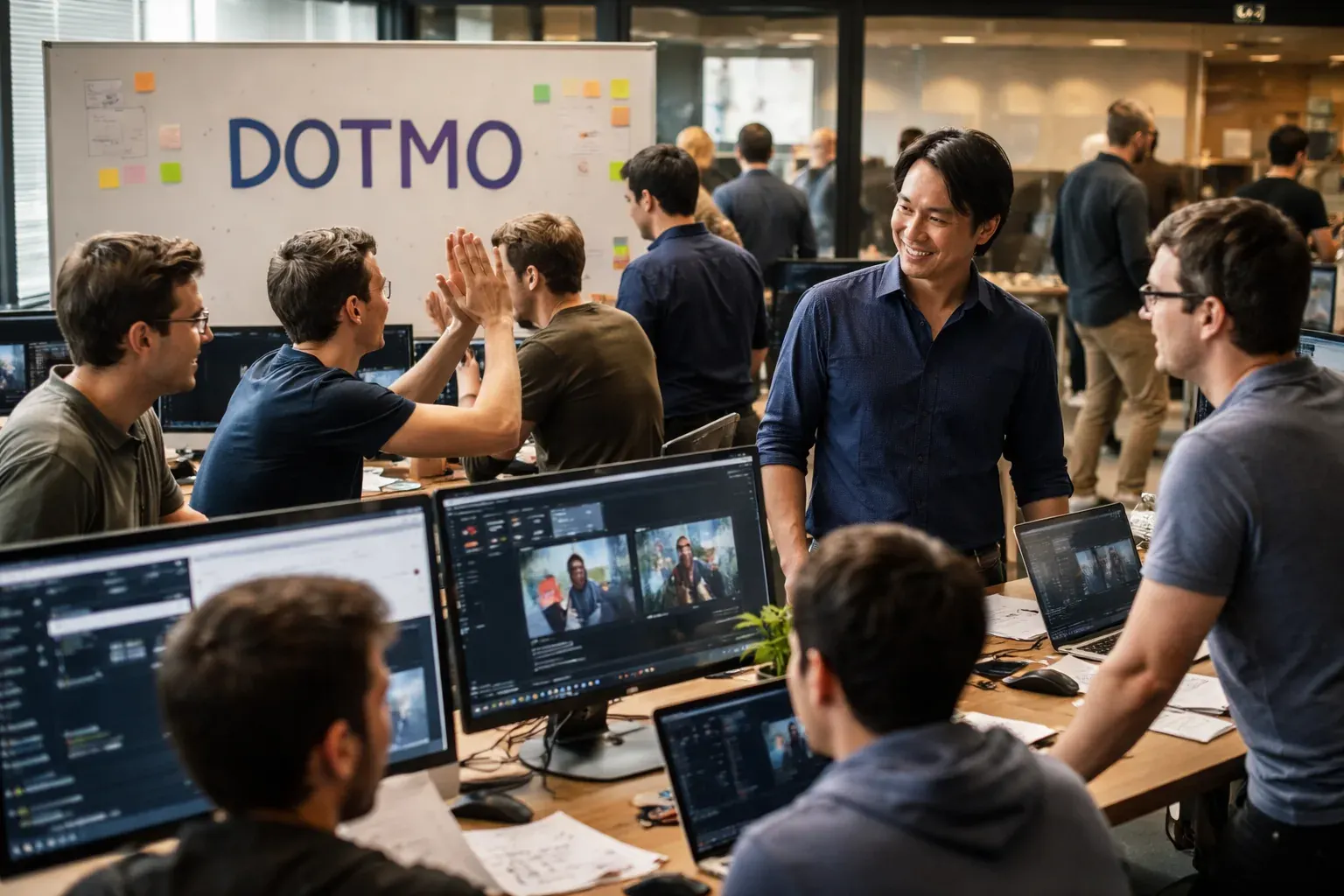
Snap has spun off its internal generative AI video team into a new company called Dotmo, shifting a costly experimental unit out of the core business while still preserving a financial and strategic stake in its future. According to reports, Dotmo will focus on AI video and interactive gaming experiences, while Snap will retain equity and a licensing relationship rather than continue carrying the full cost of the effort internally. Snap CTO Bobby Murphy is also expected to play a central role as lead investor.
This is an important move because it shows how large consumer tech companies are trying to stay involved in high-upside AI work without keeping every expensive research bet on their own books.
Why Snap is doing this now
Generative AI video is one of the most capital-intensive areas in consumer AI. Training models, hiring specialist talent, maintaining infrastructure, and iterating on product quality all cost enormous amounts of money. For a company like Snap, which still has to balance advertising performance, product engagement, and investor pressure, the question is not whether AI video is interesting. It is whether the economics make sense inside the existing company structure.
Spinning the team into Dotmo appears to be Snap's answer to that problem: keep exposure to the upside, reduce the operating burden, and let an external entity pursue the riskier research path.
Why Dotmo matters
Dotmo is not just a disposal vehicle for a non-core team. If the reports are accurate, it is being positioned around AI-powered gaming and interactive experiences, which could be a more natural product lane for generative video than Snapchat's main social business. That matters because the best home for a technology is not always the company that first incubated it.
AI video tools may have more freedom to evolve in a startup-like environment where product constraints, monetization pressure, and public-market reporting burdens are different.
The Bobby Murphy angle
Murphy's involvement is especially notable because it suggests the spinoff is not a simple retreat. If Snap's CTO is leading the investment side, then the move can also be read as a controlled reorganization rather than an abandonment. Snap may be signaling that it still believes in the underlying technology, but not in the internal cost structure required to pursue it.
That nuance matters for investors. A spinoff can be interpreted as weakness or as discipline, depending on whether the parent company still maintains conviction in the asset.
Why this reflects a broader AI trend
Snap is not the only company facing this problem. Across the AI sector, firms are grappling with whether to build frontier capabilities in-house, partner externally, or separate projects that are strategically interesting but financially awkward. The cost of model development has become high enough that even major tech companies are forced to ask whether every ambitious research effort belongs inside the main corporate shell.
Dotmo therefore fits a wider pattern: AI ambition is staying high, but organizational design is becoming more flexible.
What this means for Snap
If the arrangement works, Snap gets several things at once. It reduces direct R&D pressure, keeps a stake in a potentially valuable AI video company, and gains access to future technology through licensing without having to fully fund the operation day to day. That is a cleaner capital story than trying to justify every speculative AI expense inside a public company already facing scrutiny over margins and focus.
It may also become a template for how Snap handles other ambitious but resource-heavy initiatives.
What comes next
The next questions are whether Dotmo can attract outside capital, how independently it will operate, and whether Snap's retained stake becomes strategically meaningful or merely financial. Investors will also watch whether this type of spinoff improves Snap's cost discipline without reducing its ability to remain relevant in generative AI.
For now, the Snap-Dotmo spinoff looks like a pragmatic AI restructuring move rather than a clean break. Snap is reducing the direct cost of generative AI video development, but it is not walking away from the category. Instead, it is betting that AI video and interactive gaming may have a better path to growth when pursued through a separate company with its own incentives, capital structure, and pace.
Why it matters
The move allows Snap to maintain a stake in high-potential AI video technology while offloading the massive financial burden of research and development to a separate entity.
Read next
Follow this story through the topic hub, more ai coverage, and the latest updates.
Weekly briefing
Get the week's key developments in one concise email.
Get a fast catch-up on the biggest stories, the context behind them, and the links worth your time.
Cadence
Weekly, for a quick catch-up
Coverage
AI, business, world, security, sports
Format
Clear takeaways and useful context
Request the briefing
Leave your email to open a prepared request and get on the list for the weekly briefing.
About the byline
AI reporter
Alex Rivera reports on artificial intelligence with an emphasis on model launches, frontier lab strategy, developer tooling, and the policy decisions shaping commercial deployment.
Sources and methodology