Meta AI Glasses to Disable Camera if Recording LED is Tampered
Meta is updating its AI glasses to disable camera functions if the recording LED is modified, responding to concerns over covert surveillance.

AI reporter
Reports on model launches, frontier labs, developer platforms, and AI policy with an emphasis on claims verification and rollout context.
Editorial responsibility: Lead reviewer for AI coverage, launch claims, and policy context
Primary source: TechCrunch AI. Full source links and update notes are below.
Fast summary
Start here
- The camera will automatically disable if the LED indicator light is covered, modified, or destroyed.
- Meta admitted that some users have used tape or sophisticated methods to bypass the recording signal.
- The update coincides with new policies allowing Meta to train AI on public Instagram photos unless users opt out.
What happened
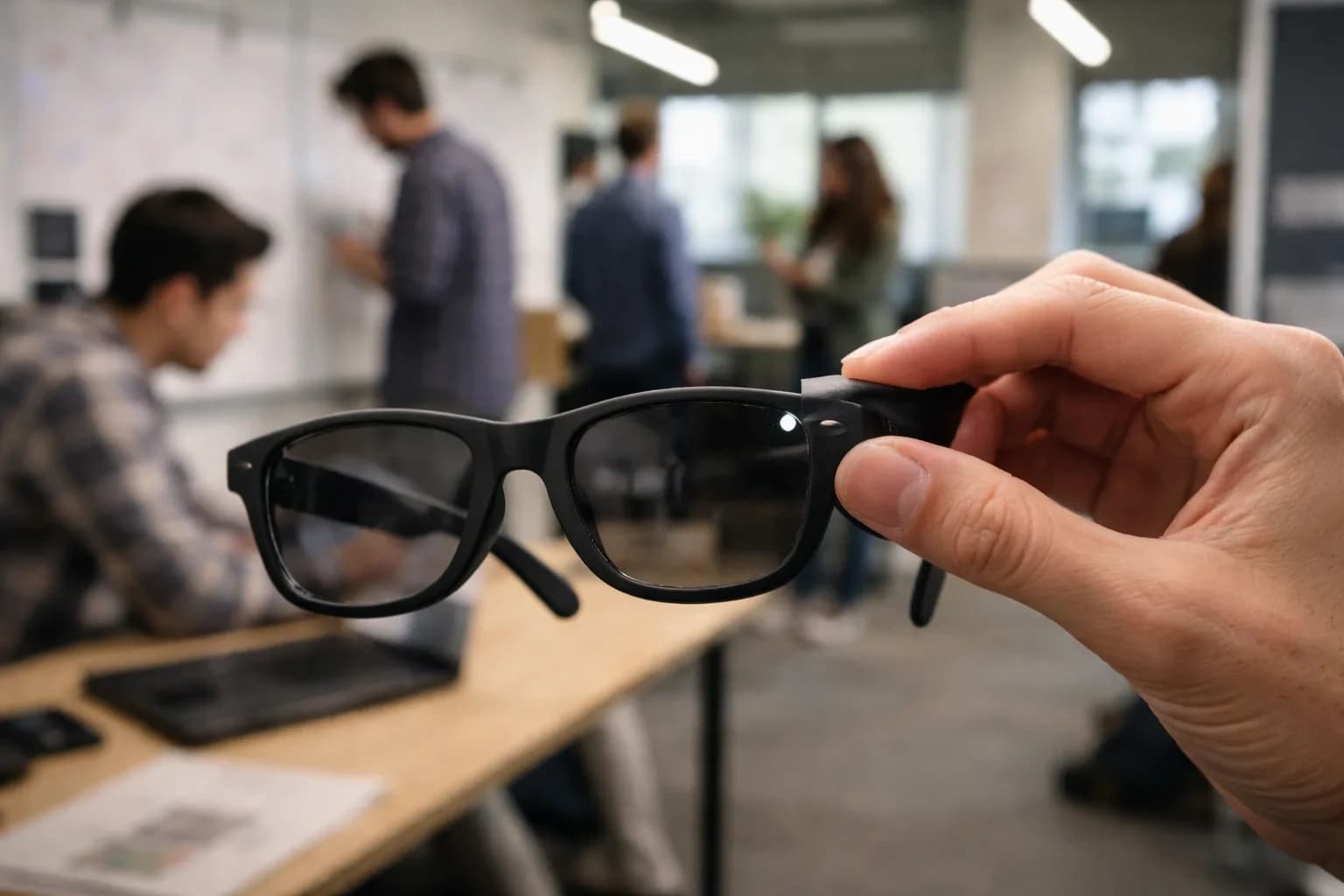
Meta has announced a significant hardware-focused update for its AI glasses, specifically targeting the potential for covert recording and surveillance. The company confirmed that future iterations and firmware updates will disable the integrated camera if the LED indicator light—which signals to others that the device is recording—is tampered with, blocked, or destroyed. This decision follows a period of public scrutiny where the glasses were labeled as a 'creepy' technology due to their ability to blend into daily life as fashionable accessories while possessing powerful recording capabilities. By making the LED light a non-negotiable component of the camera's operation, Meta aims to mitigate the risk of the device being used as a surveillance tool without the consent of those being filmed. This move represents a rare concession to privacy advocates who have long warned about the dangers of wearable cameras.
What's new in this update
The latest safeguard represents a direct response to user behavior that Meta previously attempted to curb through softer measures. Initially, Meta adapted its technology to detect when simple materials like tape were used to cover the LED. However, the company now admits that some users have moved toward more 'sophisticated efforts' to modify or physically destroy the capture LED to keep their recording activities hidden from the public. This update effectively ties the hardware's functionality to the integrity of the safety light. Parallel to this hardware update, Meta also disclosed that its Meta AI can now utilize public Instagram photos to generate new AI images unless users manually opt out. This simultaneous push for privacy safeguards on hardware while maintaining aggressive data scraping for AI training highlights a significant duality in the company's current product and privacy strategy.
Key details
Technical details reveal that the safeguard is designed to lead the industry, as Meta claims no other camera manufacturer has implemented such a strict lock between the indicator light and the image sensor. While the company positions this as a leadership move in privacy, internal reports suggest Meta is simultaneously exploring more invasive prototypes. According to documents recently cited by the Financial Times, Meta has been testing a prototype that would continuously collect audio and capture photos every few seconds, a strategy designed to feed more data into its multimodal AI models. Furthermore, the company's privacy policy remains a point of contention; it explicitly states that any image shared with Meta AI can be repurposed to train its underlying models. This means that while bystanders may be safer from covert recording, the users themselves are feeding vast amounts of personal visual data into Meta's corporate database.
Background and context
Meta's reputation regarding privacy has been under fire for nearly a decade, most notably since the 2018 Cambridge Analytica scandal. Since then, the company has launched various 'Privacy Progress Updates,' yet it continues to face legal challenges and public skepticism. Currently, Meta is embroiled in multiple investigations and lawsuits regarding the privacy of its AI glasses and data handling practices. One notable lawsuit emerged after Meta terminated a contract with an outsourced firm in Kenya. Former workers alleged they were forced to review graphic content—including nudity and private acts—captured by Meta AI glasses users to train the company's AI systems. These incidents, combined with historical failures to protect minor safety and data integrity, have created a high level of skepticism regarding Meta's commitment to 'privacy-first' hardware design, even as it adds high-profile safeguards to its newest consumer electronics.
What to watch next
Moving forward, the focus will likely shift to how Meta manages the opt-out processes for its various AI features and how regulators react to wearable surveillance. The current system places the burden of privacy on the user, requiring them to navigate complex settings to prevent their Instagram photos or Camera Roll content from being ingested by Meta AI. Regulatory bodies in both the United States and the European Union are expected to scrutinize whether these opt-out mechanisms are sufficiently transparent and accessible under evolving digital rights laws. Additionally, the market's reception of the next generation of AI glasses will determine if hardware safeguards are enough to overcome the social stigma of 'creepy' tech. If Meta continues to push features like continuous audio recording or biometric facial recognition, the tension between its hardware safety claims and its software data requirements will likely escalate into further legal challenges.
Why it matters
The tension between wearable hardware features and corporate data collection policies illustrates the ongoing battle for consumer privacy in the AI era.
Read next
Follow this story through the topic hub, more ai coverage, and the latest updates.
Weekly briefing
Get the week's key developments in one concise email.
Get a fast catch-up on the biggest stories, the context behind them, and the links worth your time.
Cadence
Weekly, for a quick catch-up
Coverage
AI, business, world, security, sports
Format
Clear takeaways and useful context
Request the briefing
Leave your email to open a prepared request and get on the list for the weekly briefing.
About the byline
AI reporter
Alex Rivera reports on artificial intelligence with an emphasis on model launches, frontier lab strategy, developer tooling, and the policy decisions shaping commercial deployment.
Sources and methodology